List of Egyptian Spells: A Comprehensive Guide
The civilization of ancient Egypt is renowned for its intricate culture, remarkable architecture, and profound religious practices. Among the most fascinating aspects of Egyptian culture are their spells and magical incantations, which played a central role in everyday life, spiritual rituals, and the preparation for the afterlife. These spells were often meticulously recorded on papyrus scrolls, temple walls, and tombs, reflecting a deep-seated belief in the power of language, symbols, and divine intervention. In this article, we explore an extensive list of Egyptian spells, their historical context, and their uses.
Understanding Egyptian Magic
Ancient Egyptian magic, also known as heka, was not considered supernatural in the way many modern cultures perceive magic. It was an essential part of Egyptian religion and daily life. The Egyptians believed that heka was a natural force, present in the universe, that could be harnessed through spells, rituals, and the proper invocation of gods and divine forces. The ability to perform magic was closely associated with knowledge, wisdom, and moral responsibility. Spells were used to protect individuals from harm, ensure fertility, bring success in work and health, and guide the soul through the afterlife.

The Role of Spells in Egyptian Society
Spells were deeply integrated into the social, religious, and practical life of Egyptians. From protecting children against evil spirits to guiding the dead safely through the underworld, every aspect of Egyptian life could involve the use of a spell. Priests, scribes, and magicians often served as intermediaries who could compose, recite, and activate these spells. Spells were sometimes personalized to the needs of the individual, while others were standardized and widely used, particularly in funerary contexts. The powerful combination of written words, spoken chants, and ritualistic actions made these spells highly revered and feared.

Categories of Egyptian Spells
Egyptian spells can be broadly categorized based on their purpose and the context in which they were used. Understanding these categories helps us appreciate the sophistication and diversity of Egyptian magical practices.
1. Protective Spells
Protection was a major concern in ancient Egyptian society, where individuals believed in the presence of hostile spirits, demons, and forces of chaos. Protective spells were designed to safeguard the home, family members, and personal belongings. Amulets inscribed with protective incantations were common, and many spells involved invoking the power of gods such as Horus, Isis, and Thoth to ward off danger. Examples of protective spells include those to prevent illness, ensure safe travel, and shield against malevolent spirits. Protective spells could be written on papyrus, carved into tomb walls, or spoken aloud during rituals.
Notable Protective Spells
One famous example is the “Spell for Protection Against Dangerous Animals,” often found in the Book of the Dead. This spell invokes the protective powers of the gods to safeguard the deceased from lions, snakes, and other threats during their journey through the underworld. Another is the “Horus Eye Spell,” which utilizes the symbol of the Eye of Horus to guard against evil forces, misfortune, and physical harm. These spells emphasize the Egyptian understanding that spiritual forces could manifest directly in the physical world, influencing safety and well-being.
2. Healing Spells
Healing spells were among the most vital categories of Egyptian magic. The Egyptians recognized the intricate connection between the spiritual and physical worlds and believed that diseases could have both material and supernatural causes. Healing spells often involved invoking the gods of medicine and magic, such as Thoth and Isis, and reciting specific chants while applying herbal remedies or amulets. Such spells were not limited to humans but extended to animals and crops, reflecting the Egyptians’ holistic approach to health and prosperity.
Examples of Healing Spells
The “Spell for Healing a Wound” is a prime example, describing incantations to be recited while dressing an injury, ensuring both physical and spiritual recovery. Another example is the “Spell for Alleviating Fever,” which uses a combination of words, gestures, and sacred oils to restore balance within the body. Healing spells illustrate the Egyptian belief that spiritual harmony directly influenced physical health, and that the divine could intervene in human affairs to restore balance and vitality.
3. Love and Fertility Spells
Love, desire, and fertility were also major concerns in ancient Egyptian society. Spells in this category sought to enhance romantic relationships, attract a partner, or ensure fertility and the birth of healthy children. Deities like Hathor, the goddess of love and beauty, and Bes, the protector of childbirth, were commonly invoked in these spells. Rituals could include the use of amulets, symbolic figurines, or even the recitation of specific words at sacred sites. Such spells were deeply intertwined with personal, familial, and societal expectations, highlighting the Egyptians’ desire to harmonize human relationships with divine order.
Examples of Love and Fertility Spells
One famous love spell involves the use of a small figurine representing the desired partner, combined with an incantation calling upon Hathor to inspire affection and devotion. Fertility spells might include prayers and offerings to Bes, often performed in private domestic settings, demonstrating the importance of magic in both personal and household life. These spells underscore the Egyptians’ perception of love and fertility as sacred forces, influenced by divine energy and human intention alike.
4. Funerary Spells
Funerary spells are perhaps the most well-documented and sophisticated category of Egyptian magic. These spells were intended to guide the deceased safely through the afterlife, protect them from spiritual dangers, and ensure eternal life. The Book of the Dead is the most famous source, containing hundreds of spells that cover every aspect of the journey from death to the afterlife. Funerary spells combined protective measures, rituals, and moral instructions, emphasizing that the soul’s success depended not only on divine favor but also on the individual’s earthly conduct.
Notable Funerary Spells
Examples include the “Spell for Crossing the Wretched Land,” which helps the deceased navigate treacherous regions in the underworld, and the “Spell for Transforming into a Falcon,” which allows the soul to assume a divine form to bypass obstacles. Another important funerary spell is the “Negative Confession,” where the deceased declares their innocence of various sins, ensuring moral purity before the gods of judgment. Funerary spells reflect the Egyptians’ profound concern with the afterlife, demonstrating their belief that magic could bridge the mortal and divine realms.
Sources of Egyptian Spells
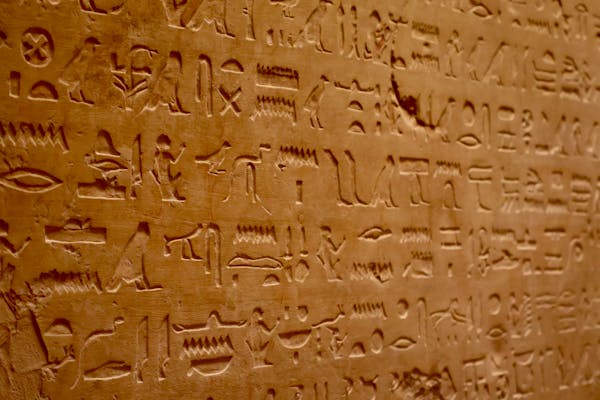
Most knowledge of Egyptian spells comes from textual sources such as papyri, inscriptions, and temple carvings. Some of the most important sources include:
1. The Book of the Dead
The Book of the Dead is a comprehensive collection of funerary spells, prayers, and incantations intended to aid the deceased in the afterlife. Compiled over centuries, it represents a fusion of religious, magical, and ethical knowledge. The spells cover protection, guidance, transformation, and moral evaluation, emphasizing the interdependence of spiritual power and proper conduct.
2. Pyramid Texts
The Pyramid Texts are among the oldest recorded spells, inscribed on the walls of pyramids in the Old Kingdom. These texts primarily serve funerary purposes, aiming to protect the pharaoh in death and ensure his transformation into a divine being. The Pyramid Texts reveal early Egyptian conceptions of the afterlife, the role of divine forces, and the sophisticated use of language to invoke spiritual power.
3. Coffin Texts
The Coffin Texts followed the Pyramid Texts and were used primarily in the Middle Kingdom. Inscribed on coffins, these spells democratized access to the afterlife, extending magical protection and guidance beyond royalty to ordinary individuals. The Coffin Texts include a variety of protective, healing, and transformative spells, reflecting the broader application of magic in Egyptian society.
Conclusion
The list of Egyptian spells demonstrates the profound integration of magic into every aspect of ancient Egyptian life, from health and love to protection and the afterlife. Spells were not mere superstition; they were carefully crafted rituals that combined spiritual understanding, ethical principles, and the power of the spoken and written word. Today, these spells offer a unique window into the worldview of a civilization that saw no separation between the mundane and the divine, reminding us of the enduring fascination with the mystical and the sacred. By studying these spells, historians, archaeologists, and enthusiasts continue to uncover the depths of Egyptian knowledge, spirituality, and the universal human desire to influence the forces that shape our lives.