Introduction: Understanding the Spiritual Power of Candles
Candles have been used in spiritual and religious practices for thousands of years across cultures and traditions. From ancient temples illuminated by sacred flames to quiet meditation rooms glowing with a single candle, the act of lighting a candle has long symbolized intention, awareness, transformation, and connection to something greater than oneself. The flame represents light in darkness, clarity in confusion, hope in despair, and consciousness in unconsciousness. When used intentionally, candles can become powerful spiritual tools that help focus the mind, amplify prayers, anchor meditation, release emotional burdens, and manifest goals.
Using candles spiritually is not about superstition or blind ritual; rather, it is about directing your attention and energy with purpose. The human mind responds strongly to symbolic actions, and fire is one of the most primal elements known to humanity. When you sit before a flame, your nervous system slows, your thoughts settle, and your awareness deepens. This makes candle work an accessible and effective method for enhancing spiritual practice. Whether you follow a specific religious path or consider yourself spiritual but not religious, candles can support introspection, healing, gratitude, and manifestation in a structured and meaningful way.

The Symbolism of Fire and Light in Spiritual Traditions
Before using candles spiritually, it is important to understand the symbolic foundation behind the practice. Fire has always represented transformation. It turns solid matter into heat and light, symbolizing the transition from physical to spiritual, from dense to subtle, from ignorance to wisdom. In many traditions, the flame represents the soul itself: steady yet delicate, capable of growing stronger with proper care and extinguishing if neglected. Light has also symbolized divine presence, higher consciousness, enlightenment, and guidance. When you light a candle, you are symbolically inviting illumination into your inner world.
The act of lighting a candle also marks the beginning of sacred time. In everyday life, time feels rushed and fragmented. Lighting a candle signals a shift from ordinary awareness into intentional awareness. It creates a psychological and energetic boundary between routine activity and spiritual focus. Even if your practice lasts only a few minutes, the candle acts as a doorway into mindfulness. This is why candles are often lit during prayer, meditation, rituals, remembrance ceremonies, and moments of gratitude. The flame becomes a focal point that gathers scattered thoughts and directs them toward a single purpose.

Choosing the Right Candle for Spiritual Practice
Material and Quality
The quality of the candle you choose matters more than many people realize. Natural wax candles such as beeswax or soy wax are often preferred in spiritual practice because they burn more cleanly and symbolically align with purity and authenticity. Beeswax candles, in particular, have long been associated with sacred spaces because they come directly from nature and produce a warm, steady flame. Avoid heavily synthetic candles with artificial scents if your goal is deep spiritual work, as strong chemical fragrances can distract the mind and irritate the body.
Color Meanings and Intentional Use
Color plays a significant symbolic role in spiritual candle practice. While personal interpretation always matters most, traditional color associations can guide your intention-setting. White candles symbolize purity, protection, clarity, and spiritual awakening. Red candles are associated with passion, courage, vitality, and strong emotions. Blue candles often represent peace, communication, healing, and calmness. Green candles align with growth, abundance, and renewal. Yellow connects to mental clarity and confidence. Purple symbolizes spiritual wisdom and transformation. Pink is associated with love and compassion. When selecting a candle, choose a color that aligns with the specific intention you wish to cultivate.
Size and Burn Time
The size of the candle can also influence your practice. Small candles are ideal for short meditations or daily rituals, while larger candles are suitable for long-term intentions that you revisit repeatedly. Some spiritual practitioners prefer to dedicate a specific candle to a single intention and burn it gradually over several days or weeks. This creates continuity and strengthens focus. However, there is no universal rule; the key is consistency and sincerity rather than candle size.
Preparing for Spiritual Candle Work
Creating a Sacred Space
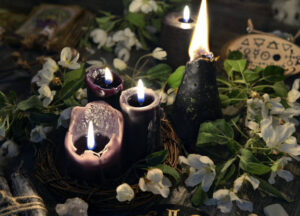
Spiritual candle practice becomes more powerful when performed in a calm and intentional environment. You do not need an elaborate altar or special room, but you do need a space free from interruption and distraction. Clear a surface, remove clutter, and ensure the area feels peaceful. You may choose to add meaningful objects such as crystals, meaningful photographs, spiritual texts, or flowers, but keep the arrangement simple. The purpose of the space is to support focus rather than overwhelm the senses.
Setting Your Intention
The most important element in spiritual candle use is intention. Before lighting the candle, pause and clearly define your purpose. Are you seeking clarity in a difficult decision? Emotional healing? Protection? Gratitude? Manifestation of a goal? State your intention internally or aloud in a concise and sincere way. For example: “I light this candle to invite clarity and wisdom into my life.” The clearer and more focused your intention, the more effective your practice will be. Vague wishes produce vague results, while precise intentions sharpen your inner alignment.
Grounding Yourself
Before lighting the flame, take a few deep breaths. Allow your body to settle. Feel your feet on the floor and your spine upright. Release tension in your shoulders and jaw. Spiritual candle work is most effective when performed from a calm state rather than an anxious or scattered one. Grounding yourself ensures that your intention arises from centered awareness instead of emotional reactivity.
Methods for Using Candles Spiritually
Meditation with a Candle Flame
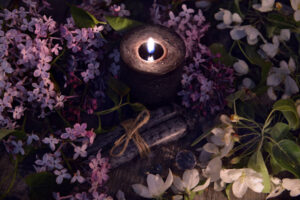
One of the simplest and most powerful uses of candles is flame meditation, sometimes referred to as gazing meditation. Place the candle at eye level in a dimly lit room and sit comfortably. Gaze softly at the flame without straining your eyes. Allow your breathing to become slow and natural. If your mind wanders, gently return your focus to the flame. The flickering light naturally draws attention and quiets mental chatter. Over time, this practice strengthens concentration, enhances self-awareness, and cultivates inner stillness. Even five to ten minutes of daily flame meditation can significantly improve mental clarity.
Manifestation and Goal Setting
Candles can also serve as anchors for manifestation practices. After setting your intention, visualize your desired outcome as if it has already occurred. Imagine the emotions, circumstances, and sensations associated with your goal. As the candle burns, envision the flame carrying your intention outward into the universe. The key is not desperate attachment but aligned belief. You are not forcing reality; you are aligning your thoughts and actions with a clear objective. After extinguishing the candle, take practical steps that support your goal. Spiritual candle work complements action; it does not replace it.

Emotional Release and Healing
If you are holding onto anger, grief, regret, or resentment, candle rituals can assist with emotional release. Write down what you wish to release on a piece of paper. Sit quietly with the candle and reflect on the emotion without judgment. When you feel ready, safely burn the paper in a fireproof container using the candle flame. As it burns, visualize the emotional burden dissolving. This physical act of transformation helps the mind accept closure. Always practice fire safety and never leave burning materials unattended.
Gratitude and Reflection
Gratitude practices become more meaningful when anchored to ritual. Light a candle each evening and reflect on three things you are thankful for. Speak them aloud or journal them while the candle burns. The repetition of this practice strengthens neural pathways associated with positivity and resilience. Over time, your mind begins to notice blessings more naturally throughout the day.
Enhancing Candle Practice with Additional Elements
Incorporating Affirmations
Affirmations can deepen the impact of candle rituals. While the candle burns, repeat a phrase that reinforces your intention. For example, “I am calm and centered,” “I am open to abundance,” or “I release what no longer serves me.” The repetition imprints new thought patterns into the subconscious mind. The flame acts as a visual reminder of your commitment.
Using Essential Oils and Scents
Aromatherapy can amplify spiritual focus. Natural essential oils such as lavender for calm, frankincense for spiritual awareness, or rosemary for clarity can be lightly applied to the candle or diffused in the room. Scent stimulates memory and emotion, reinforcing your intention on multiple sensory levels. Always ensure oils are used safely and appropriately.
Journaling During or After the Ritual
Writing reflections while the candle burns helps integrate insights. After meditation, note any thoughts, images, or emotions that surfaced. Over time, reviewing your journal entries may reveal patterns, guidance, or subtle progress in areas where you are seeking growth. This practice transforms candle rituals from isolated moments into part of an ongoing spiritual journey.

Common Mistakes to Avoid
Lack of Clear Intention
Many people light candles casually without defining purpose. While any mindful act has value, unfocused practice limits results. Take a moment to articulate exactly why you are lighting the candle. Precision creates power.
Overcomplicating the Ritual
Elaborate procedures are not required for meaningful spiritual practice. Overloading your ritual with too many steps, tools, or rules can create anxiety and diminish authenticity. Simplicity often produces the strongest spiritual resonance.
Neglecting Safety
Spiritual practice should never compromise physical safety. Always place candles on stable, heat-resistant surfaces away from flammable materials. Never leave a burning candle unattended. Ensure proper ventilation and extinguish flames carefully. Respect for fire reflects respect for the spiritual symbolism behind it.
Building a Consistent Candle Practice
Establishing a Routine
Consistency deepens impact. Choose a specific time of day—morning for clarity, evening for reflection, or any time you can commit to regularly. Even brief daily practice strengthens mental discipline and spiritual awareness. The brain responds positively to repeated patterns, and over time, lighting the candle itself becomes a cue for inner stillness.
Tracking Progress
Spiritual growth can feel intangible. By journaling experiences and noting emotional or situational changes, you create measurable evidence of progress. You may observe improved emotional regulation, greater clarity in decisions, or increased patience. Recognizing these shifts reinforces motivation to continue.
Adapting to Life Changes
Your intentions will evolve as circumstances change. Be flexible in adjusting your candle practice to reflect new goals, challenges, or areas of growth. Spiritual work is dynamic rather than static. Allow your rituals to mature alongside you.
The Psychological and Energetic Benefits of Candle Work
Beyond symbolism, candle rituals influence the nervous system. The gentle flicker of a flame induces a meditative brainwave state associated with relaxation and creative thinking. This state enhances problem-solving and emotional processing. The warmth and light also create a sense of comfort and safety, which allows deeper introspection. When practiced regularly, candle meditation can reduce stress, increase focus, and cultivate emotional balance.
Energetically, intention combined with ritual strengthens personal alignment. Whether you interpret this as subconscious conditioning, energetic resonance, or spiritual communication, the outcome remains consistent: you become more intentional in your thoughts and actions. The candle becomes both symbol and tool for disciplined awareness.
Advanced Practices for Deeper Spiritual Exploration
Long-Term Intention Candles
Some practitioners dedicate a large candle to a specific long-term goal and revisit it regularly. Each session reinforces commitment. Over weeks or months, the gradual melting of the wax symbolizes steady progress. This visual reminder can sustain motivation during slow periods of growth.
Seasonal or Lunar Rituals
Aligning candle work with natural cycles can deepen connection to rhythm and timing. For example, lighting candles during a new moon may symbolize fresh beginnings, while full moon rituals often focus on completion and gratitude. Seasonal changes also offer symbolic transitions, making them meaningful opportunities for reflection.
Group Candle Ceremonies
When practiced in groups, candle ceremonies can foster collective intention and shared healing. The shared act of lighting flames strengthens emotional bonds and creates a powerful sense of unity. Whether performed among family members or within a spiritual community, group candle rituals amplify focus and support.
Conclusion: Bringing Light Into Your Inner World
Using candles spiritually is ultimately about cultivating awareness, intention, and alignment. The flame is not magical in itself; its power lies in your focus, sincerity, and consistency. When you light a candle with purpose, you are declaring that this moment matters. You are choosing to slow down, reflect, and engage consciously with your inner life. Over time, this simple practice can transform the way you respond to challenges, pursue goals, and connect with your deeper values.
Start simply. Choose a candle, set a clear intention, sit quietly, and observe the flame. Let the light remind you that clarity is always possible, even in darkness. Through regular practice, candles can become more than decorative objects; they can serve as gateways to mindfulness, healing, gratitude, and purposeful living.