Haitian Voodoo Spells for Love: History, Meaning, and Spiritual Context
Haitian voodoo spells for love are often surrounded by mystery, myth, and misunderstanding. Rooted in the spiritual traditions of , Haitian Vodou is not merely a collection of magical formulas but a complex religious and cultural system shaped by African heritage, Catholic influences, and centuries of lived experience. To understand love spells within this tradition, one must first appreciate the spiritual worldview from which they arise. In Haitian Vodou, love is not treated as a trivial or manipulative force; rather, it is seen as a powerful spiritual current that connects individuals, ancestors, and the unseen world. Therefore, any discussion of spells for love must begin with respect for the religion’s depth, ethical framework, and sacred practices.
Contrary to popular portrayals in movies and sensationalized media, Haitian Vodou is not centered on dark magic or coercive rituals. It is a living faith practiced by millions, emphasizing harmony, ancestral reverence, moral responsibility, and the guidance of spiritual intermediaries known as lwa. Within this tradition, love work is typically performed to restore emotional balance, attract compatible partnership, heal broken bonds, or enhance marital devotion. The intention behind the work matters deeply, as spiritual consequences are believed to follow actions motivated by selfishness or harm. Understanding this moral structure is essential before exploring the forms that love rituals may take.

The Spiritual Foundations of Haitian Vodou
Haitian Vodou developed during the colonial period when enslaved Africans brought diverse spiritual systems from West and Central Africa. These traditions blended with elements of Catholicism under oppressive conditions, forming a resilient spiritual system that preserved identity and community strength. The capital city, :contentReference[oaicite:1]{index=1}, remains one of the cultural centers where Vodou ceremonies, drumming, and ritual gatherings are held with solemn reverence and communal participation. Vodou practitioners believe in a supreme creator who is distant from daily affairs, while the lwa serve as accessible spiritual forces that assist with human concerns, including matters of love.
Love within Vodou cosmology is not simply romantic attachment; it is understood as a sacred vibration that binds families, strengthens communities, and honors ancestral continuity. Romantic harmony is seen as an extension of spiritual harmony. When relationships falter, practitioners may seek ritual assistance to realign emotional energies, remove obstacles, or clarify intentions. Such rituals are typically conducted by a trained priest (houngan) or priestess (mambo), individuals who undergo years of spiritual initiation and discipline before guiding others. This formal structure demonstrates that authentic love work in Haitian Vodou is not casual experimentation but sacred engagement.
The Role of Intention in Love Rituals
One of the most important principles in Haitian voodoo spells for love is intention. The spiritual framework teaches that energy follows thought and will, and therefore a ritual performed with jealousy, obsession, or the desire to control another person may generate spiritual imbalance. Ethical love rituals focus on attraction through compatibility, emotional healing, reconciliation, or the strengthening of existing bonds rather than coercion. Many practitioners emphasize that true love cannot be forced; instead, spiritual work may remove blockages, clear negative influences, or enhance personal magnetism so that love can unfold naturally.
This emphasis on ethical intention distinguishes authentic Vodou practice from sensationalized depictions. In community settings, elders often advise individuals to reflect deeply on their motivations before requesting spiritual intervention. If a relationship is fundamentally unhealthy, spiritual guidance may encourage personal growth rather than magical binding. In this sense, Haitian voodoo spells for love function not as shortcuts but as spiritual tools aligned with broader moral teachings.
Common Themes in Haitian Voodoo Love Work
Attraction and Personal Magnetism
Many love-focused rituals aim to increase personal allure rather than target a specific individual. This approach aligns with the belief that enhancing one’s spiritual radiance attracts compatible partners organically. Ritual baths prepared with symbolic herbs, fragrant oils, and prayers are among the most commonly described methods. These baths are not merely physical cleansing acts; they represent purification of emotional residue, release of past heartbreak, and invitation of new possibilities. Participants may pray for confidence, clarity, and openness to genuine connection.
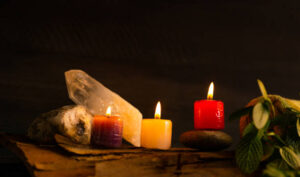
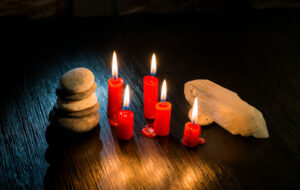
Colors also carry symbolic weight in these rituals. Pink and red often symbolize affection and passion, while white represents spiritual purity and sincere intention. Candles may be used to focus prayerful concentration, each flame symbolizing the ignition of heartfelt desire guided by higher spiritual order. In many cases, the practitioner recites invocations asking that only love aligned with destiny and well-being be drawn near.
Reconciliation and Healing
Another category of Haitian voodoo spells for love involves reconciliation. Relationships sometimes fracture due to misunderstanding, external stress, or spiritual imbalance. Rather than forcing return, reconciliation rituals focus on softening resentment, clearing miscommunication, and encouraging honest dialogue. These rituals may include offerings to ancestral spirits, symbolizing humility and acknowledgment of shared history. The belief is that ancestors wish to see harmony restored when possible and may intercede spiritually to encourage forgiveness.
Healing rituals often incorporate water as a symbol of emotional flow. Participants may pour libations while speaking affirmations of mutual respect and growth. The spiritual work seeks not to erase accountability but to open pathways for reconciliation if both parties are willing. In this context, love spells function as catalysts for emotional clarity rather than instruments of domination.
Commitment and Devotion
For established couples, rituals sometimes aim to strengthen loyalty and deepen devotion. Marriage blessings may involve prayers for protection against jealousy, gossip, or external temptation. In Haitian spiritual thought, harmony between partners strengthens the entire family line, so preserving commitment is viewed as socially and spiritually beneficial. Rituals of devotion may involve shared participation, reinforcing unity rather than secret manipulation.
Symbolism in Haitian Love Rituals
Herbs and Natural Elements
Herbs play a vital symbolic role in Vodou spirituality. Specific plants are believed to carry energetic properties aligned with attraction, sweetness, or reconciliation. Sweet herbs symbolize gentle affection, while aromatic plants may represent charisma and presence. These botanical elements are often combined with prayer, song, and drumming, emphasizing that the spiritual dimension transcends the physical materials used.
Water, fire, earth, and air are also incorporated symbolically. Fire represents passion and transformation; water symbolizes emotion and purification; earth signifies stability and rooted commitment; air reflects communication and clarity. When used together, these elements express holistic balance within a romantic connection.
Offerings and Reciprocity
Offerings are central in many Vodou ceremonies, including those addressing love. Food, flowers, or symbolic gifts may be presented as acts of gratitude and reciprocity. The underlying philosophy holds that spiritual relationships are built on respect and exchange, not demand. Practitioners acknowledge that assistance from the spiritual realm is not automatic but must be invited through humility and ethical conduct.
Music and Rhythm
Drumming and chanting create vibrational alignment during ceremonies. Rhythm is considered a bridge between physical and spiritual dimensions. In communal settings, music intensifies emotional sincerity, allowing participants to express longing, hope, and gratitude. Love rituals conducted in this context are communal affirmations rather than isolated magical acts.
Modern Interpretations and Global Interest
Global Curiosity
In recent decades, global curiosity about Haitian voodoo spells for love has grown due to media exposure and online platforms. However, digital representations often simplify or distort the complexity of Vodou spirituality. Authentic practitioners caution against superficial imitation of rituals found online, emphasizing that proper initiation and guidance are necessary for meaningful participation. Without cultural context and ethical grounding, attempts to replicate ceremonial elements may lack spiritual significance.
Integration with Personal Growth
Some contemporary spiritual seekers integrate Vodou-inspired symbolism into broader personal growth practices. They may adopt the emphasis on intention, purification, and gratitude while avoiding direct ritual invocation without proper training. This adaptive approach reflects respect for the tradition while acknowledging global interconnectedness.
Conclusion: Love, Responsibility, and Sacred Balance
Haitian voodoo spells for love cannot be fully understood outside the spiritual and cultural framework of Haitian Vodou. Rooted in history, shaped by resilience, and guided by ethical intention, these rituals emphasize harmony rather than coercion. Love is seen as a sacred force intertwined with ancestry, morality, and communal well-being. Authentic practice involves humility, respect, and alignment with spiritual balance.
Ultimately, the enduring message within Haitian love rituals is that genuine affection flourishes where integrity, reciprocity, and emotional clarity exist. Spiritual work may illuminate pathways, clear obstacles, and strengthen devotion, but it does not replace personal responsibility. By approaching the subject with cultural respect and thoughtful understanding, one gains a deeper appreciation for the profound spiritual heritage that continues to shape expressions of love within Haiti and beyond.