Haitian Voodoo Love Spells Recipes
**Haitian Vodou** (often spelled Voodoo) is a sophisticated and spiritually rich religion practiced primarily in Haiti and the Haitian diaspora. It comprises a deep cosmology, a pantheon of sacred spirits known as lwa, and a long tradition of ritual practice. Among the many aspects of Vodou practice, love and relationship concerns have historically held significant social and personal importance. This article explores Haitian Vodou love spells and recipes in an educational and respectful way — framing the subject in its cultural context, outlining traditional approaches, explaining ethical considerations, and highlighting the difference between folklore and genuine Vodou practice.
Understanding Haitian Vodou: A Sacred Tradition
Before diving into love spells and their ingredients, it is crucial to appreciate the **religious, cultural, and social foundations** of Haitian Vodou. Vodou is neither a simplistic set of “recipes” nor a systems of magic tricks; rather, it is a **living religion with rites, ethics, and a worldview** that centers community, ancestry, and spiritual balance. Its ceremonies involve rhythmic music, dancing, offerings, spirit possession, and prayers in Creole and French. Love in Vodou is mediated through human relationships as well as through the attention of specific spirits — meaning that what is often called a “love spell” is deeply intertwined with **ritual, intention, and spiritual reciprocity**.
The Role of Lwa (Loa) in Love and Relationships
The **lwa** are spiritual beings in the Haitian Vodou cosmology. They interact with humans, offering guidance, protection, and blessings in exchange for respectful devotion, offerings, and ritual observance. Some lwa are particularly associated with matters of the heart, attraction, partnership, and emotional well‑being. For example:
- Erzulie Freda: Often linked to love, beauty, femininity, and romantic devotion.
- Erzulie Dantor: A fierce protector and nurturer, often invoked for deep emotional bonds and maternal affection.
- Agwé: Associated with marine elements, sometimes called upon for harmony in relationships.
Each of these lwa represents different facets of **affection, attachment, and emotional resilience**, and their invocation reflects a sincere seeking of spiritual support rather than superficial enchantment.
Love Spells in Haitian Vodou: Conceptual Foundations
The idea of a “love spell” in Haitian Vodou is not a standardized formula that guarantees specific outcomes. Instead, practitioners focus on **strengthening spiritual harmony, enhancing personal charisma, and aligning energies in ways that support healthy relationships**. It is important to note that traditional Vodou teaching emphasizes **free will and individual agency** — manipulating someone’s feelings without consent is regarded as ethically problematic. True Vodou practice focuses on invoking blessings and opening pathways for love, not coercing another person’s heart.
Ethics and Respect in Love‑Related Rituals
Respect for human dignity is central. Haitian Vodou, at its core, encourages individuals to seek connection through spiritual self‑improvement, community building, and **authentic devotion to the lwa**. Many experienced priests and priestesses (Houngan and Mambo) stress that attempts to force love through supernatural compulsion conflict with core principles of consent and respect for the divine will reflected in human freedom.

Traditional Ingredients and Their Symbolic Meanings
When Haitian practitioners perform love‑focused rites, they draw upon ingredients that hold symbolic resonance within Vodou cosmology. These ingredients are not magical “shortcuts;” rather, they reflect long traditions of symbolism that connect the physical act of offering with spiritual intention.
Common Ingredients Used in Love‑Related Rituals
1. Roses and Floral Petals
Roses — especially red and pink — often represent **romantic love, passion, and affection**. Petals may be used as offerings, as symbolic adornment on altars, or in spiritual baths designed to invite positive emotional energy.
2. Honey (Siwo)
Honey is associated with sweetness, attraction, and the softening of hearts. It may be incorporated into anointing oils, altar offerings, or petitions to lwa like Erzulie Freda.
3. Perfumed Oils
Oils imbued with fragrances like rose, jasmine, lavender, and vanilla are often used for anointing candles, charms, and personal items. Such oils symbolize **attraction, allure, and personal magnetism**.
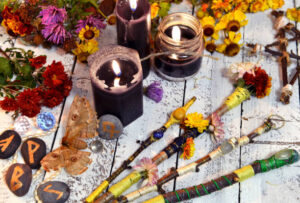
4. Candles
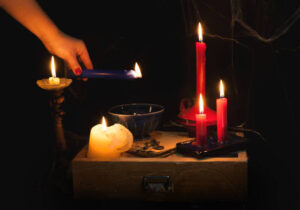
Candles in Vodou rituals carry symbolic fire energy linked to devotion, illumination, and spiritual focus. Specific colors carry meanings:
- Red: Passion and desire.
- Pink: Affection and tender love.
- White: Spiritual clarity and purity of intention.
5. Personal Items
Some rituals incorporate personal tokens (like hair, a photograph, or a handwritten name) to intensify focus. In ethical approaches, such items are accompanied by clear intention and respect for the autonomy of the other person involved.
Example Love‑Focused Ritual Approaches
The following examples are presented academically, with emphasis on **spiritual intention and respectful practice** rather than manipulation. These are generalized descriptions rather than exact “recipes,” and practitioners should always consult knowledgeable Vodou elders (Houngans, Mambos, and espiritis) before attempting any ritual.
Ritual: Candle Invocation for Attraction
**Objective:** To invite loving energy and spiritual support for personal attraction.
Ingredients
- One red candle (representing passion)
- Rose‑scented oil for anointing
- A clean plate or candle holder
- Fresh rose petals
- Optional: small glass of honey
Steps
1. Prepare the Space: Cleanse the area physically and spiritually. Some practitioners use a small amount of incense or sacred herbs to clear stagnant energy.
2. Anoint the Candle: Rub the rose‑scented oil from the base toward the wick while focusing on your intention for attracting healthy, consensual love.
3. Arrange Petals: Sprinkle rose petals in a circle or heart shape around the candle to symbolize open emotional energy.
4. Speak Your Intention: Quietly articulate or pray for authentic connection, emotional balance, and spiritual guidance.
5. Light the Candle: Allow it to burn safely for a designated period (often until the candle naturally extinguishes).
6. Conclude with Thanks: Whether you invoke lwa or speak to the divine in your own terms, close with gratitude for support and protection.
Ritual: Herbal Bath for Emotional Clarity
**Objective:** To cleanse emotional heaviness and open the heart to new, healthy relationships.
Ingredients
- Dried rose petals
- Lavender or chamomile
- A handful of mint
- A basin or bathtub
Steps
1. Prepare the Herbs: Boil herbs gently in water for several minutes to release their essence.
2. Strain and Cool: Allow the herbal infusion to cool to a safe, warm temperature.
3. Express Intention: As you pour the water over yourself or step into the bath, mentally release emotional blockages and invite clarity.
4. Reflect: Spend several minutes in quiet meditation, focusing on emotional openness and balance.
Conclusion: Love, Spirit, and Respect
In summary, “love spells” in Haitian Vodou are not simplistic formulas but part of a broader spiritual ecosystem involving respect for the lwa, ethical intention, and personal transformation. Through symbolic ingredients, ritual focus, and mindful practice, individuals can seek spiritual support for emotional well‑being, attraction, and relational harmony. Yet authentic Vodou practice always emphasizes human dignity, respectful intention, and spiritual reciprocity. Whether you are seeking academic understanding or exploring Vodou’s spiritual richness, the core message centers on love that honors both human freedom and divine guidance.