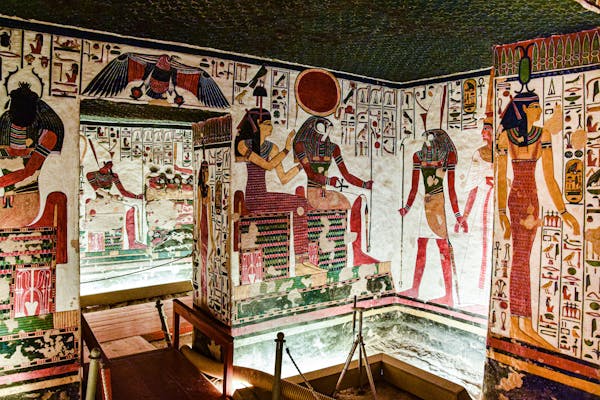
Comparison of Love Binding Spells and Egyptian Love Spells
Throughout human history, love and attraction have been sources of fascination, inspiration, and mysticism. Across cultures and continents, magical practices aimed at influencing romantic outcomes have evolved, creating a rich tapestry of rituals, spells, and esoteric knowledge. Among these practices, love binding spells and Egyptian love spells stand out as particularly intriguing. While both aim to manipulate or encourage romantic feelings, they differ profoundly in origin, technique, philosophy, and ethical implications. This article delves deeply into these two forms of magical practice, offering a detailed comparison that spans historical context, ritualistic methods, psychological influences, cultural perceptions, and ethical considerations.
Understanding Love Binding Spells
Definition and Purpose
Love binding spells, sometimes referred to as “binding charms” or “attraction spells,” are rituals intended to strengthen emotional attachment between two individuals, often with the explicit goal of ensuring fidelity, intensifying passion, or creating a lasting bond. Unlike general love spells, which may merely attract affection or enhance attractiveness, binding spells focus on securing the target’s commitment and limiting potential disruption from outside influences. The primary objective is not simply to initiate attraction but to maintain or solidify an existing romantic or emotional connection.

Historical Background of Love Binding Spells
The practice of binding someone with a spell is not unique to any one culture. Historical evidence suggests that such rituals date back to ancient civilizations, including early European societies, African traditions, and indigenous North American practices. In medieval Europe, grimoires and magical texts frequently contained instructions for love binding, often involving symbolic representations such as wax figures, cords, and personal belongings of the target. The underlying principle was the sympathetic connection, the belief that influencing an object associated with a person could indirectly affect that person’s emotions and decisions. Anthropologists have noted that these practices were closely intertwined with social norms surrounding marriage, fidelity, and family alliances.
Common Techniques and Rituals
Love binding spells typically employ tangible objects as focal points. These objects often include hair, clothing, jewelry, or personal notes, which serve as conduits for magical influence. Common techniques include the use of knots, where cords are tied while reciting incantations to symbolically “bind” the emotions of the target; the creation of effigies or poppets, representing the person to be influenced; and the incorporation of ritualistic elements such as candles, oils, herbs, and crystals known for their association with love and desire. Each ritual is meticulously structured, often requiring precise timing, such as performing the spell during specific moon phases or astrological alignments believed to enhance magical potency.
Psychological and Energetic Implications
Modern practitioners recognize that love binding spells operate not only on mystical or supernatural levels but also through psychological influence. By focusing intention and ritual, the practitioner may alter their own perception and behavior, potentially creating subtle changes in interactions with the target. Additionally, the symbolic act of binding can reinforce personal commitment and emotional clarity. Critics, however, caution that these spells risk ethical complications, as they attempt to override another individual’s free will, potentially creating emotional consequences for both parties.

Exploring Egyptian Love Spells
Historical Context of Egyptian Magic
Ancient Egypt is renowned for its sophisticated magical system, where religion, ritual, and daily life were deeply intertwined. Egyptian love spells were part of a broader tradition of magic known as heka, believed to harness spiritual forces to influence the physical world. These spells were not merely recreational or whimsical; they were highly ritualized, embedded in a worldview that saw human emotions as connected to cosmic and divine energies. Egyptian love spells were documented in numerous papyri, such as the Papyrus Harris and the Berlin Papyrus 3027, which reveal intricate instructions involving incantations, amulets, offerings, and the invocation of specific deities associated with love, sexuality, and fertility.
Key Elements of Egyptian Love Spells
Deities and Spiritual Invocations
Egyptian love spells often called upon deities such as Hathor, the goddess of love and joy, Bes, the protector of households and relationships, and Isis, the mother goddess associated with magical healing and protection. Invocations were carefully crafted to align the practitioner’s desires with divine will, seeking not only to attract love but also to ensure emotional harmony and protection from malevolent influences. Rituals often included hymns, prayers, and offerings designed to honor these deities and invite their intervention in human relationships.
Materials and Symbolism
Unlike love binding spells, which often focused on binding an individual, Egyptian love spells emphasized symbolism and resonance with spiritual forces. Common materials included papyrus scrolls with inscribed spells, magical figurines, oils, incense, and specific herbs such as myrrh, frankincense, and lotus flowers, each carrying particular energetic or symbolic significance. Certain spells also incorporated personal items, but always in a way that harmonized with cosmic or divine laws rather than imposing coercion. Colors, gestures, and recitations were integral, creating a holistic ritual intended to align human intention with the flow of heka.
Ritual Procedures and Timing
Timing played a crucial role in Egyptian magical practice. Spells were often performed on specific days of the lunar or solar cycles, or during particular festivals honoring deities connected to love and fertility. Rituals were highly structured, typically beginning with purification, followed by offerings, the recitation of precise formulas, and the completion of symbolic actions designed to manifest the desired emotional or romantic outcome. The emphasis was less on control and more on attraction, enhancement, and divine facilitation, reflecting a fundamental difference from binding practices seen elsewhere.

Psychological and Social Impacts of Egyptian Love Spells
Egyptian love spells functioned both on spiritual and psychological levels. They provided a framework for individuals to express desires, clarify intentions, and cultivate personal magnetism while invoking divine assistance. Socially, these spells reinforced cultural norms regarding marriage, fidelity, and family cohesion, serving as tools to maintain harmony in personal and communal relationships. Unlike binding spells, Egyptian love magic was generally seen as morally acceptable, provided that the rituals were performed with respect and reverence for divine law, emphasizing balance and ethical intention.
Comparative Analysis of Love Binding and Egyptian Love Spells
Philosophical Foundations
Love binding spells are grounded in the belief that human will and intention can directly influence another individual’s emotions, often through sympathetic or imitative acts. They tend to operate on a principle of control and attachment. Egyptian love spells, on the other hand, emphasize alignment with universal and divine forces, seeking to attract and harmonize emotions rather than force them. This distinction highlights a fundamental philosophical divergence: one practice prioritizes individual control and outcome, while the other emphasizes collaboration with cosmic order and ethical alignment.
Ethical Considerations
Ethics form a stark contrast between the two traditions. Love binding spells raise significant ethical questions because they may infringe upon free will, creating potential harm or unintended consequences. Egyptian love spells, when performed with adherence to ritual and respect for deities, generally avoid ethical transgressions because they focus on attraction, alignment, and mutual consent rather than coercion. This distinction is crucial for modern practitioners who are increasingly concerned with moral responsibility in magical work.
Techniques and Materials
Love binding spells rely heavily on personal artifacts, knots, and physical representations such as poppets or cords, often symbolizing control and emotional tethering. Egyptian love spells prioritize symbolic resonance, ritual precision, and spiritual alignment, using amulets, inscriptions, herbs, oils, and offerings to engage divine forces. Both utilize timing and ritualistic structure, but the methods reflect their differing goals: control versus attraction and harmony.
Effectiveness and Perceived Outcomes
The perceived effectiveness of love binding spells is often closely tied to the intensity of the practitioner’s focus, the quality of materials, and the skill in execution. However, because these spells attempt to influence another person’s will directly, outcomes can be unpredictable and sometimes problematic. Egyptian love spells, by emphasizing divine collaboration and attraction, may result in more harmonious and ethically sound outcomes, though they require patience, spiritual understanding, and adherence to ritual protocol.
Cultural Context and Legacy
Love binding spells have historically been viewed with ambivalence, sometimes considered necessary for social stability, other times condemned as manipulative or morally dubious. Egyptian love spells, preserved in papyri and magical texts, reflect a deeply integrated system of spirituality, ritual, and societal norms. Modern practitioners often draw on Egyptian traditions for guidance in ethical magic, while love binding spells continue to exist in folk magic and contemporary witchcraft, frequently adapted to personal or psychological frameworks.

Modern Adaptations and Practices
Contemporary Love Binding Rituals
In contemporary witchcraft, love binding spells have been adapted to emphasize symbolic intention, psychological influence, and emotional clarity rather than coercion. Modern practitioners may employ meditation, visualization, or symbolic acts designed to strengthen bonds without infringing on free will. These adaptations reflect a growing awareness of ethical responsibility, acknowledging the potential consequences of manipulating another person’s emotions.
Revival of Egyptian Love Spells
Interest in Egyptian love spells has surged with the rise of neo-paganism, reconstructionist magic, and historical curiosity. Modern practitioners often integrate ancient texts, amulet crafting, and ritual recitation into their practice, honoring the ethical and spiritual principles that guided Egyptian magic. By focusing on divine alignment, symbolic resonance, and ritual discipline, contemporary Egyptian-inspired spells offer a framework for ethical attraction and spiritual growth in love and relationships.
Conclusion
The comparison between love binding spells and Egyptian love spells reveals profound differences in philosophy, methodology, ethics, and cultural context. Love binding spells prioritize emotional control and attachment, often using personal artifacts and symbolic actions to secure a bond, while raising important ethical concerns regarding free will. Egyptian love spells, grounded in the principle of heka, emphasize attraction, divine alignment, and ritualized spiritual practice, offering ethically responsible and culturally rich methods for fostering love and emotional harmony. Both traditions reflect humanity’s enduring fascination with the mysteries of love, the power of ritual, and the desire to influence the heart, but they diverge sharply in approach and moral perspective.
Ultimately, the choice between these two forms of magic depends on the practitioner’s values, ethical stance, and desired outcomes. While love binding spells may appeal to those seeking direct influence, Egyptian love spells provide a pathway that harmonizes personal desire with spiritual and cosmic principles, ensuring that love is nurtured ethically and with reverence for universal laws.