Ancient Love Spells That Work: History, Meaning, and Practical Rituals
For as long as human beings have experienced longing, heartbreak, and passionate devotion, they have searched for ways to influence love. Across civilizations, cultures developed rituals, charms, prayers, and symbolic acts intended to attract affection, deepen bonds, or rekindle fading romance. The phrase “ancient love spells that work” reflects a timeless desire: not merely to perform ritual for ritual’s sake, but to experience tangible emotional transformation. To understand whether such spells truly “work,” we must examine what ancient practitioners believed, how these rituals were structured, and what psychological, spiritual, and social mechanisms made them powerful. This article explores the foundations of ancient love magic, offers carefully reconstructed examples of traditional practices, and explains how they functioned in their historical contexts and in modern adaptation.
The Meaning of “Working” in Ancient Love Magic
When ancient people described a spell as effective, they rarely meant it in a purely mechanical or supernatural sense. “Working” often meant that the ritual aligned the practitioner’s intention, emotions, and environment toward a desired outcome. In many traditions, love magic was less about coercion and more about magnetism. It amplified confidence, clarified desire, and created symbolic actions that expressed commitment to the goal. Rituals were believed to call upon divine forces, spirits, or cosmic principles, yet they also operated on psychological levels: strengthening hope, reducing fear, and encouraging bold social behavior. A spell that restored someone’s confidence could naturally improve romantic prospects. Thus, effectiveness was both mystical and practical.
Ethical Considerations in Ancient Love Rituals
Not all historical love spells were benign. Some were designed to bind or dominate another’s will, reflecting ancient anxieties about power and possession. However, many traditions distinguished between attraction magic—intended to draw mutual affection—and coercive magic, intended to override autonomy. In examining ancient love spells that work, it is important to focus on those aligned with harmony, mutual consent, and emotional balance. Rituals centered on self-improvement, clarity of desire, and open-hearted communication were far more sustainable and socially accepted. Even in antiquity, communities often condemned magic perceived as manipulative or harmful. Therefore, the most enduring and “effective” love spells were those that respected natural affection rather than forcing it.

Love Magic in Ancient Civilizations
Ancient Egypt: Divine Alignment and Perfumed Charms
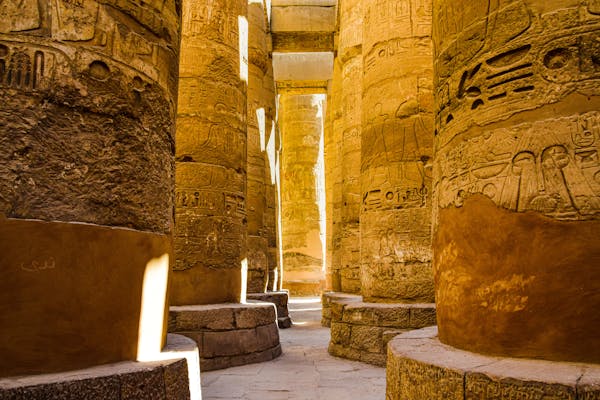
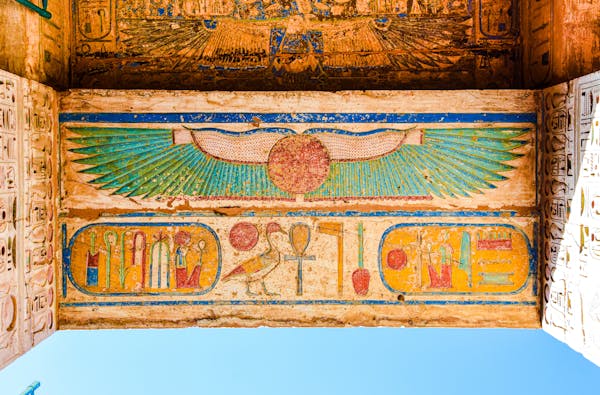
In ancient Egypt, love magic was intertwined with religion and cosmology. Practitioners invoked deities associated with fertility, beauty, and union. Rituals often included fragrant oils, lotus flowers, carved amulets, and inscribed papyrus texts. The Egyptians believed that scent had spiritual power; perfumed unguents were thought to attract divine favor and awaken sensual awareness. A typical Egyptian attraction ritual might involve carving two names on a small clay tablet, binding it with red thread, and reciting invocations at sunrise for seven days. The repetition created focus and reinforced belief. The sensory richness—scent, texture, spoken word—made the experience emotionally immersive, strengthening its perceived power.
Ancient Greece: Eros, Binding Spells, and Symbolic Objects
Greek love magic ranged from poetic invocations to intense binding rituals. While some tablets discovered by archaeologists reveal attempts to compel passion, others were gentler and centered on personal magnetism. Roses, apples, and knots symbolized love’s binding force. Practitioners sometimes whispered desires to the moon, believing lunar cycles influenced emotional tides. The Greeks understood eros as a powerful, even overwhelming force; their spells sought to direct that energy rather than create it from nothing. The symbolic use of knots represented union and continuity, and the act of tying and untying cords reinforced the intention of connection.
Ancient Rome: Household Rituals and Domestic Charms
Roman love magic was often domestic and pragmatic. Women and men alike crafted small talismans from wax, herbs, or inscribed metal. Honey played a central role because it symbolized sweetness in speech and temperament. A simple Roman love charm might involve placing a drop of honey on a piece of parchment inscribed with affirmations of mutual affection. The charm would be hidden beneath a pillow to “sweeten” dreams and conversations. The ritual did not merely rely on supernatural intervention; it encouraged the practitioner to embody sweetness and patience, reinforcing behavioral change.
Ancient Mesopotamia: Spoken Incantations and Ritual Baths
In Mesopotamia, incantations were central to magical practice. Spoken words were considered powerful vibrations that shaped reality. Love spells often involved ritual bathing, purification, and recitation before an altar. Clay figurines representing the desired partner might be used symbolically, not as tools of domination but as focal points for intention. Water symbolized renewal and emotional clarity. By bathing and reciting prayers, the practitioner enacted emotional cleansing, preparing themselves to approach love with openness.

Core Elements of Ancient Love Spells That Work
Intention as the Foundation
Ancient practitioners believed that clarity of intention determined success. A scattered mind weakened ritual power. Therefore, spells often began with fasting, meditation, or purification. These preparatory steps aligned thought and emotion. Modern interpretations confirm that focused intention influences behavior, confidence, and perception. A person who truly believes in their worth radiates a different energy than one consumed by doubt. In this sense, ancient love spells worked because they cultivated unwavering focus.
Symbolism and Material Correspondence
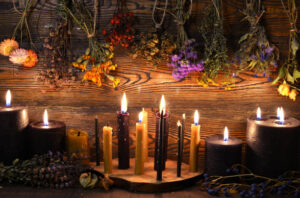
Objects were not chosen randomly. Roses symbolized beauty and passion; red thread symbolized connection; honey symbolized sweetness; candles symbolized illumination and warmth. By manipulating symbols, practitioners externalized their desires. The physical act of assembling meaningful objects gave emotional weight to intention. Symbolism engaged the subconscious mind, making the ritual memorable and impactful.
Repetition and Ritual Structure
Many ancient spells required repetition over several days or lunar cycles. Repetition reinforced commitment and gradually reshaped emotional patterns. Ritual structure provided predictability and comfort. In times of romantic uncertainty, such stability was deeply reassuring. The discipline of repeated practice also demonstrated seriousness of purpose, which in itself can influence outcomes.

Reconstructed Ancient-Style Love Spells
Honey Jar Sweetening Ritual
This ritual draws on Mediterranean traditions emphasizing sweetness and harmony. To perform it, write your name and the name of your desired partner on a small piece of parchment. Fold the paper toward you three times, symbolizing attraction. Place it in a small jar of honey along with a pinch of cinnamon and dried rose petals. Seal the jar and hold it in both hands, visualizing warm, mutual affection. Repeat a simple affirmation daily for seven days, focusing on harmony rather than control. The honey represents kindness in speech and action; the act of daily affirmation encourages behavioral alignment with loving qualities.
Why It Works
The honey jar ritual works not by forcing another’s will, but by conditioning the practitioner toward sweetness and patience. It serves as a daily reminder to communicate gently and act thoughtfully. Over time, this shift in demeanor can transform relational dynamics.
Lunar Attraction Candle Ritual
Inspired by Greek and Near Eastern lunar traditions, this ritual is performed during a waxing moon. Carve your intention into a pink or red candle. Surround it with fresh flowers and a bowl of clean water. Light the candle and speak your desire clearly, emphasizing mutual joy. Allow the candle to burn for a set period each night until the full moon. Each session reinforces focus and emotional clarity.
The Role of the Moon
The waxing moon symbolizes growth and expansion. Aligning the ritual with natural cycles enhances its symbolic resonance. Observing the moon’s progression also instills patience, reminding the practitioner that love develops gradually.
Ancient Knot Binding for Commitment
This gentle adaptation of knot magic focuses on strengthening an existing bond. Take a length of red cord and tie nine knots, each representing a quality such as trust, loyalty, passion, communication, understanding, patience, joy, intimacy, and respect. As you tie each knot, speak the quality aloud. Keep the cord in a private place as a reminder of shared values.
Psychological Impact
Articulating desired qualities fosters intentional behavior. The physical cord acts as a tangible anchor, encouraging conscious effort toward nurturing the relationship.
Herbs and Ingredients in Ancient Love Magic
Rose
Associated with beauty and heartfelt emotion, roses were widely used in love rituals. Their fragrance and softness symbolized tenderness. Incorporating rose petals into baths or charms created sensory immersion, deepening emotional association.
Cinnamon
Cinnamon symbolized warmth and vitality. Its stimulating scent was believed to spark passion. In practical terms, aromatic spices heighten mood and memory, making rituals more vivid.
Lavender
Lavender promoted calmness and trust. Ancient practitioners recognized that peaceful communication is essential for love. Including lavender in rituals emphasized emotional balance.
Honey
Honey represented sweetness and prosperity. Because it preserves and enriches flavor, it symbolized enduring affection.

Modern Adaptation of Ancient Love Spells
Maintaining Authenticity
To adapt ancient rituals responsibly, one must preserve their symbolic integrity. Use meaningful objects, clear intention, and ethical focus. Avoid coercive elements. Center the ritual on mutual happiness and personal growth.
Creating a Sacred Space
Choose a quiet environment free from distraction. Arrange candles, flowers, or symbolic objects thoughtfully. Silence electronic devices. The environment should signal seriousness and reverence.
Journaling and Reflection
After performing a ritual, write reflections about feelings, insights, and intentions. Journaling strengthens awareness and tracks emotional progress.
Do Ancient Love Spells Truly Work?
Spiritual Interpretation
From a spiritual perspective, rituals align human intention with universal forces. Believers maintain that sincere invocation invites subtle energetic shifts that draw compatible individuals together.
Social Interpretation
In ancient communities, performing a ritual often involved shared belief systems. Community validation reinforced confidence and expectation, amplifying perceived success.
Final Thoughts on Ancient Love Spells That Work
Ancient love spells that work do so because they integrate intention, symbolism, repetition, and emotional alignment. Whether interpreted spiritually or psychologically, their power lies in focus and authenticity. Rituals centered on sweetness, patience, and mutual respect are more likely to produce lasting harmony than those seeking control. By studying historical practices and adapting them ethically, one can appreciate the profound wisdom embedded in ancient traditions. Ultimately, love magic is not about bending another’s will but about awakening one’s own capacity for connection, confidence, and heartfelt expression.