Ancient Symbols of Magic
**Magic has fascinated humanity for millennia, intertwining with religion, mysticism, and early science.** Among the most powerful expressions of magical belief are ancient symbols, which were used to invoke, protect, and communicate with supernatural forces. These symbols, etched in stone, painted on scrolls, or carved into jewelry, carried profound meanings that transcended ordinary language. They often combined geometric precision, natural motifs, and esoteric principles, reflecting the ancients’ deep understanding of the universe. This article explores the origins, significance, and interpretations of various ancient magical symbols across cultures.
The Origins of Magical Symbols
The **origins of magical symbols** can be traced back to prehistoric times. Early humans, seeking to understand the forces that governed life, began creating abstract signs and patterns that represented natural phenomena, spirits, and deities. Cave paintings, petroglyphs, and ceremonial objects indicate that humans instinctively used symbols to communicate with forces beyond the physical realm. Over centuries, these symbols evolved into complex systems of magic, often intertwined with religious rituals. **Symbols were not mere decoration; they were considered conduits of power**, capable of influencing both spiritual and material realities.
Prehistoric Symbols and Shamanistic Practices
In prehistoric societies, shamans and spiritual leaders often used symbols during rituals to invoke spirits or divine protection. Common motifs included **spirals, circles, and animal figures**, each holding specific mystical significance. For instance, spirals often represented the cyclical nature of life and death, while circles symbolized unity, infinity, and protection. These early symbols were used in conjunction with chants, dances, and hallucinogenic plants to facilitate spiritual journeys. The careful repetition and placement of these symbols were believed to enhance their magical potency, creating a tangible link between the material and the spiritual worlds.
Mesopotamian Magical Symbols
Mesopotamia, often called the **cradle of civilization**, offers one of the earliest recorded uses of magical symbols. The Sumerians, Babylonians, and Assyrians developed intricate symbolic systems used in spells, talismans, and inscriptions. One prominent example is the **Seal of Shamash**, symbolizing the sun god’s divine protection and justice. Clay tablets from this era feature cuneiform signs combined with geometric patterns, often inscribed on amulets to ward off evil spirits. **Symbols in Mesopotamian magic were deeply intertwined with cosmology**, reflecting the belief that the arrangement of stars, planets, and celestial cycles influenced earthly events.
Egyptian Symbols of Power and Protection
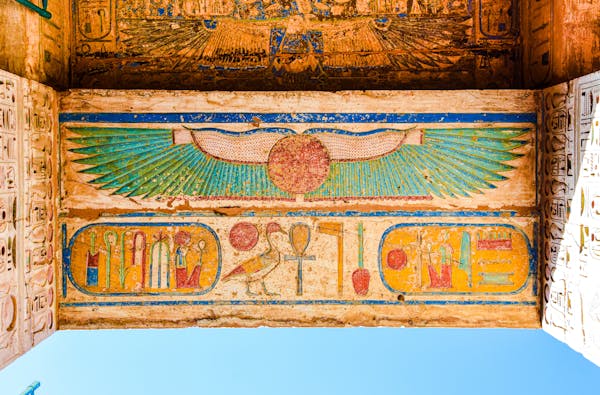
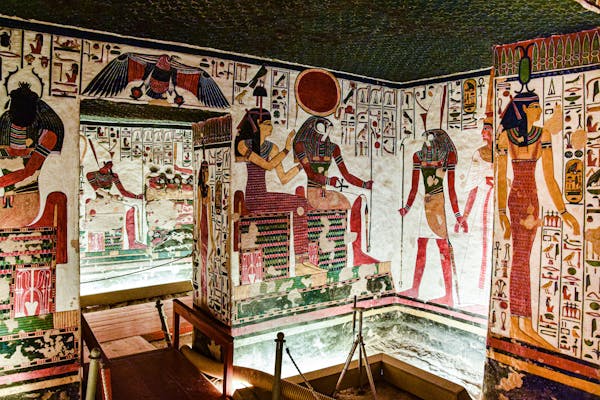
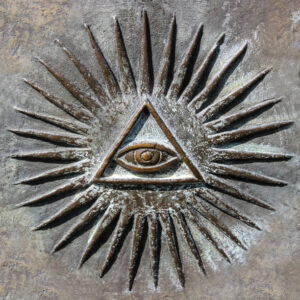
Ancient Egypt offers a rich tapestry of **magical symbols**, many of which are still recognized today. Egyptian hieroglyphs often had magical significance beyond their linguistic function. The **Ankh**, for example, represented life, immortality, and the divine force connecting the physical and spiritual realms. Similarly, the **Eye of Horus** symbolized protection, healing, and restoration. These symbols were meticulously incorporated into amulets, tomb decorations, and ritual objects. Egyptian magic emphasized the **balance between order (Ma’at) and chaos**, and symbols were key tools in maintaining this cosmic equilibrium.
Symbols in Greek and Roman Magic
In classical antiquity, **Greek and Roman civilizations** inherited and transformed ancient magical symbolism. Greeks associated magic with mystery cults, astrology, and alchemy. Symbols like the **caduceus**, representing Hermes, conveyed protection, communication, and healing. The Romans adopted many Greek magical practices but also incorporated local symbols and deities. The **fasces**, a bundle of rods, symbolized authority and unity, occasionally used in magical contexts to invoke collective power. In both cultures, symbols were often drawn on papyri or inscribed on amulets to achieve protection, attract love, or secure success.
Magical Alphabets and Sigils
One notable development in Greek and later Roman magic was the use of **magical alphabets and sigils**. These unique sets of characters were believed to contain inherent power. The **Greek magical papyri** contain extensive instructions for creating sigils, often combining letters, numbers, and abstract shapes. These symbols were considered more than mere writing; they acted as vessels for invoking spirits, commanding energies, or unlocking hidden knowledge. Practitioners meticulously designed each sigil according to planetary alignments, mystical correspondences, and ritual requirements, reflecting a sophisticated system of symbolic magic.
Celtic and Norse Magical Symbols
In Northern Europe, **Celtic and Norse traditions** developed their own rich symbolic languages. The Celts used intricate knotwork, spirals, and animal motifs to represent the interconnectedness of life and the spiritual world. Symbols like the **triskele** embodied motion, growth, and the triadic nature of existence. Norse mythology, on the other hand, produced **runes**, each a letter of the Futhark alphabet imbued with magical properties. Runes were used for divination, protection, and the crafting of charms. The Norse placed great importance on the correct combination and orientation of runes, believing that each arrangement could dramatically alter its magical effect.
The Triskele and Celtic Spirals
The **triskele**, a triple-spiral motif, is one of the most iconic Celtic symbols. It represents the triad of life: birth, death, and rebirth, as well as the harmony of mind, body, and spirit. Celtic spirals are often found in megalithic structures, indicating their use as tools for ritual, meditation, and cosmic alignment. The repetition of spiral motifs was believed to induce a trance-like state, facilitating communication with otherworldly beings. This illustrates a universal principle in ancient magic: symbols were not static images but dynamic forces that interacted with human consciousness.
Norse Runes and Their Uses
The **Norse runes** serve as a prime example of a symbolic system that combined language with magic. Each rune represented not only a sound but also a concept, deity, or natural force. For instance, the rune **Algiz** symbolized protection, while **Fehu** represented wealth and prosperity. Runes were carved into weapons, stones, and amulets, often accompanied by incantations. The belief was that the runes could channel cosmic energy, providing guidance, protection, and power to their user. This dual function of runes—as both linguistic and magical symbols—demonstrates the intricate relationship between communication and mysticism in Norse culture.
Alchemy and Hermetic Symbols
In the medieval and Renaissance periods, **alchemy and Hermeticism** emerged as profound magical traditions that heavily relied on symbols. Alchemical symbols represented elements, compounds, and processes but also carried spiritual meanings. The **ouroboros**, a serpent eating its own tail, symbolized eternal cycles, transformation, and the unity of opposites. Hermetic symbols, such as the **caduceus** and the **pentacle**, were used to convey metaphysical principles, representing the connection between the macrocosm (universe) and microcosm (human). **These symbols acted as keys** to hidden knowledge, guiding initiates through complex mystical teachings.
The Pentacle and Its Significance
The **pentacle**, a five-pointed star enclosed within a circle, is one of the most enduring magical symbols. Historically, it represented the five elements: earth, air, fire, water, and spirit. The circle around the star symbolized unity, protection, and the infinite nature of the cosmos. Alchemists, magicians, and later Wiccans adopted the pentacle as a tool for invoking energies, casting spells, and maintaining spiritual balance. Its enduring presence in magical traditions highlights the **universal appeal of symbols that combine geometry, spirituality, and metaphysical principles**.
Astrological Symbols in Magic
Astrology has long intertwined with magic, providing a symbolic framework for understanding cosmic influence. Ancient astrologers developed symbols for planets, zodiac signs, and celestial events, each imbued with magical significance. The **symbol of Venus**, for example, represented love, beauty, and fertility, while **Mars** symbolized courage, aggression, and war. Astrological symbols were often incorporated into talismans, magical diagrams, and ritual inscriptions to harness the corresponding planetary energies. This integration demonstrates how **ancient cultures saw symbols as a bridge between the celestial and terrestrial realms**.
Conclusion
**Ancient symbols of magic are far more than decorative or mystical curiosities; they are a window into humanity’s quest to understand and influence the world.** From prehistoric spirals to Norse runes, Egyptian hieroglyphs, and alchemical signs, these symbols reveal the profound connection between thought, spirituality, and the universe. They illustrate a common principle across cultures: symbols are powerful tools that encode knowledge, channel energy, and act as intermediaries between the seen and unseen worlds. Understanding these symbols allows modern readers not only to appreciate historical practices but also to explore the timeless human fascination with the mystical and the unknown.
By studying these ancient symbols, we recognize the enduring human desire to connect with forces beyond ordinary perception. **Symbols, in their myriad forms, remain potent reminders** of the creativity, wisdom, and spiritual insight of our ancestors, inspiring continued exploration of magic, consciousness, and the unseen energies that shape our reality.