Is Egyptian Magic Spells Powerful?
The concept of magic has fascinated humanity for millennia, and perhaps no civilization has been more closely associated with mystical practices than ancient Egypt. From the mysterious hieroglyphs carved into temple walls to the carefully preserved papyri containing incantations, Egyptian magic spells have captured the imagination of scholars, practitioners, and enthusiasts across the world. But are these spells genuinely powerful, or are they primarily symbolic? To answer this, one must explore the historical, spiritual, and cultural contexts of Egyptian magic, examining its origins, mechanisms, and the ways it has influenced modern magical traditions.
The Origins of Egyptian Magic
Magic, or heka as it was known in ancient Egyptian culture, was considered an essential part of life. Unlike many contemporary societies that viewed magic as mere superstition or trickery, Egyptians saw it as a divine force. Heka was not just a tool for manipulation; it was believed to be a fundamental energy that permeated the universe, a force bestowed by the gods themselves. According to Egyptian cosmology, the gods used heka to maintain order, protect the living, and ensure cosmic balance. Priests and magicians acted as intermediaries, channeling this energy through spells, rituals, and sacred objects. This understanding of magic as both a spiritual and practical tool demonstrates why Egyptians considered it powerful and indispensable.

Heka: The Divine Essence of Magic
The word “heka” appears in Egyptian texts as early as the Old Kingdom (c. 2686–2181 BCE). Scholars suggest that heka represented a combination of divine authority and mystical knowledge, blending the metaphysical with the tangible. Unlike Western notions of magic, which often separate spiritual from practical applications, heka was intertwined with religion, medicine, and governance. Spells were not merely verbal formulas; they often included symbolic gestures, amulets, and written inscriptions that were believed to channel divine energy. The perceived power of these spells, therefore, stemmed from the Egyptians’ deep belief in their connection to the gods and the cosmos.
Magical Texts and Papyri
One of the most significant sources for understanding Egyptian magic comes from ancient texts, such as the Book of the Dead, the Berlin Papyrus, and the Ebers Papyrus. These documents contain a rich collection of spells designed for protection, healing, love, and even harm. For example, the Book of the Dead includes incantations to guide the soul safely through the afterlife, while the Ebers Papyrus contains medical spells combined with herbal remedies, illustrating the holistic approach Egyptians took toward magic. Each spell was carefully constructed with precise language, symbols, and ritual practices, which were believed to amplify its efficacy. The meticulous nature of these texts suggests that Egyptians saw magic not as arbitrary, but as a disciplined and highly structured practice.
Priests, Magicians, and Practitioners
In ancient Egypt, not everyone could wield magic; it required training, initiation, and spiritual purity. Priests often received instruction in sacred temples, learning the correct pronunciation of spells, the proper use of amulets, and the symbolic gestures necessary for rituals. Magicians, known as sesh-hekau, were highly respected members of society, believed to possess knowledge that bridged the mortal and divine realms. Their authority was reinforced by their close association with the pharaohs, who themselves were seen as divine rulers. This societal reverence for practitioners underscores the perceived potency of Egyptian magic, as it was not merely a personal skill but a sacred responsibility with tangible effects on daily life and cosmic order.

The Mechanics of Egyptian Magic Spells
Understanding whether Egyptian magic spells were truly powerful requires examining how they were believed to work. Egyptian magic was a complex interplay of words, symbols, actions, and divine forces. Spells were not intended as mere psychological tricks; they were thought to channel the universal force of heka, directing it toward a specific goal. This belief system was reinforced by ritual precision and the use of sacred tools such as wands, knives, and amulets, which acted as conduits for magical energy. In this sense, the “power” of a spell was measured not only by its immediate outcome but also by its alignment with cosmic laws.
The Role of Words and Names
One of the most crucial aspects of Egyptian magic was the belief in the inherent power of words. Names, especially, held profound significance. The ancient Egyptians believed that knowing the true name of a person, deity, or entity gave one control over it. Spells often included the names of gods, spirits, or even adversaries to ensure the intended effect. This linguistic precision was complemented by poetic structures, rhythm, and repetition, which were thought to resonate with the divine frequency of heka. Such emphasis on language underscores the sophisticated understanding Egyptians had of symbolic power.
Symbols, Amulets, and Objects
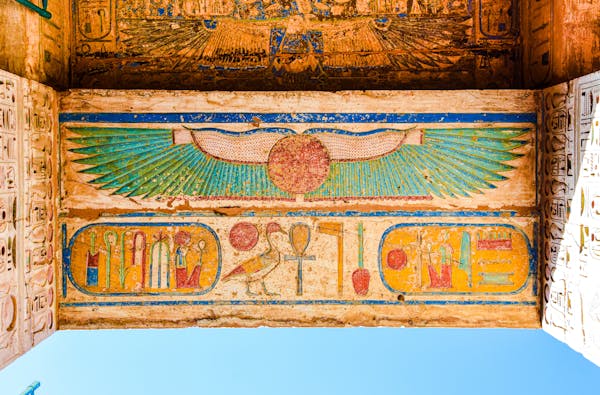
Symbols played an equally important role in Egyptian magical practice. Amulets shaped like scarabs, ankhs, or eyes of Horus were believed to embody specific energies or protective qualities. The use of physical objects in spells created a tangible focus for the otherwise invisible forces of heka. Ritual implements such as wands, scepters, and ritual knives were similarly designed to channel energy, amplify intent, and establish a connection between the human practitioner and the divine. The combination of spoken words, visual symbols, and ritual actions created a multi-dimensional approach to magic, which may explain why it was considered highly potent.
Rituals and Ceremonies
Egyptian magic was rarely performed haphazardly. Spells were embedded within elaborate rituals and ceremonies that might take place in temples, tombs, or sacred spaces. Timing was also significant; certain spells were cast during specific hours, lunar phases, or festivals to maximize their efficacy. Rituals often involved offerings, prayers, and invocations to gods, reflecting the belief that magic worked in harmony with divine will. This structured approach indicates that the effectiveness of Egyptian magic was not only a matter of intent but also of precise alignment with cosmic and spiritual principles.

The Purposes of Egyptian Magic Spells
Egyptian magic served diverse functions, addressing the spiritual, social, and practical needs of individuals and communities. Spells could protect the living, heal the sick, curse enemies, attract love, or guide souls in the afterlife. Understanding these purposes helps explain why Egyptians regarded magic as powerful and essential. Unlike modern interpretations, which may focus on personal gain or supernatural spectacle, ancient Egyptian spells were primarily concerned with maintaining balance, ensuring survival, and securing harmony between the human and divine worlds.
Protection and Healing
Many Egyptian spells were designed for protection and healing. Protective spells could shield a home from malevolent forces, guard travelers on dangerous journeys, or secure the pharaoh against spiritual harm. Healing spells, often combined with herbal remedies, addressed both physical and spiritual ailments. The efficacy of these spells was believed to depend on the precision of their execution, the purity of the practitioner, and the alignment with cosmic principles. In this context, the power of Egyptian magic was not merely abstract; it was practical and life-affirming.
Curses and Justice
While much of Egyptian magic focused on positive outcomes, curses were also a recognized category of spells. Known as execration rituals, these spells aimed to neutralize enemies or bring divine justice. Artifacts such as inscribed pottery, figurines, and papyri were used in these rituals, which invoked gods to punish wrongdoers. The precision and ritual intensity involved suggest that Egyptians believed curses could have real-world consequences, further emphasizing the perceived potency of their magical system.
Love, Fertility, and Prosperity
Spells for love, fertility, and prosperity were also common, reflecting the Egyptians’ desire to influence everyday life positively. Love spells often involved invoking deities such as Hathor, goddess of love and joy, while fertility spells could ensure the continuation of family lines or the abundance of crops. Prosperity spells might focus on wealth, successful harvests, or protection of property. In each case, the effectiveness of the spell was thought to depend on the alignment of human intention with divine forces, demonstrating the holistic approach of Egyptian magic to both the spiritual and material realms.

Modern Perspectives on Egyptian Magic
Today, Egyptian magic continues to captivate the imagination of occultists, historians, and spiritual seekers. Modern practitioners often adapt ancient spells, combining traditional rituals with contemporary metaphysical interpretations. Some claim tangible results, while others see the practice primarily as a symbolic or meditative exercise. Scholars, meanwhile, study Egyptian magic as a cultural phenomenon, emphasizing its role in shaping religion, art, medicine, and governance in ancient Egypt. Whether or not one believes in the literal power of these spells, their enduring influence is undeniable.
Influence on Western Occult Traditions
Egyptian magic has had a profound impact on Western esoteric traditions. The Hermetic Order of the Golden Dawn, for example, incorporated Egyptian symbolism, hieroglyphs, and deities into its rituals. Similarly, modern witchcraft and ceremonial magic often reference Egyptian deities and magical principles. The fascination with Egyptian spells stems in part from the perception that they were sophisticated, divinely inspired, and highly structured, qualities that appeal to both spiritual seekers and scholars of esotericism.
Scientific and Psychological Interpretations
Some researchers suggest that the power of Egyptian spells lies less in supernatural efficacy and more in psychological impact. The use of ritual, repetition, symbolism, and focused intention can create profound psychological effects, including increased confidence, emotional relief, and a sense of control over life circumstances. From this perspective, Egyptian magic demonstrates a sophisticated understanding of human psychology, using structured ritual to influence perception, behavior, and even health.
Symbolism as a Source of Power
Even for those skeptical of supernatural claims, the symbolic richness of Egyptian magic provides significant insight into how humans perceive and channel power. Amulets, incantations, and sacred gestures act as tangible manifestations of abstract ideas, enabling practitioners to focus intention and align with values, goals, or spiritual principles. In this sense, the “power” of Egyptian spells may reside as much in their symbolic and ritual function as in any literal magical effect.
Conclusion: Evaluating the Power of Egyptian Magic
Assessing the power of Egyptian magic spells is a complex endeavor that must account for historical context, cultural belief systems, and modern interpretations. In ancient Egypt, spells were considered potent because they were deeply intertwined with religion, governance, and cosmic order. Their perceived efficacy was reinforced by ritual precision, sacred language, symbolic objects, and societal belief in the authority of practitioners. Modern interpretations, whether mystical or psychological, continue to explore these practices, emphasizing their symbolic, spiritual, and personal significance. While the literal supernatural power of Egyptian spells may remain a matter of belief, their enduring influence and sophisticated integration of ritual, symbolism, and intention attest to a profound and multifaceted form of power.